

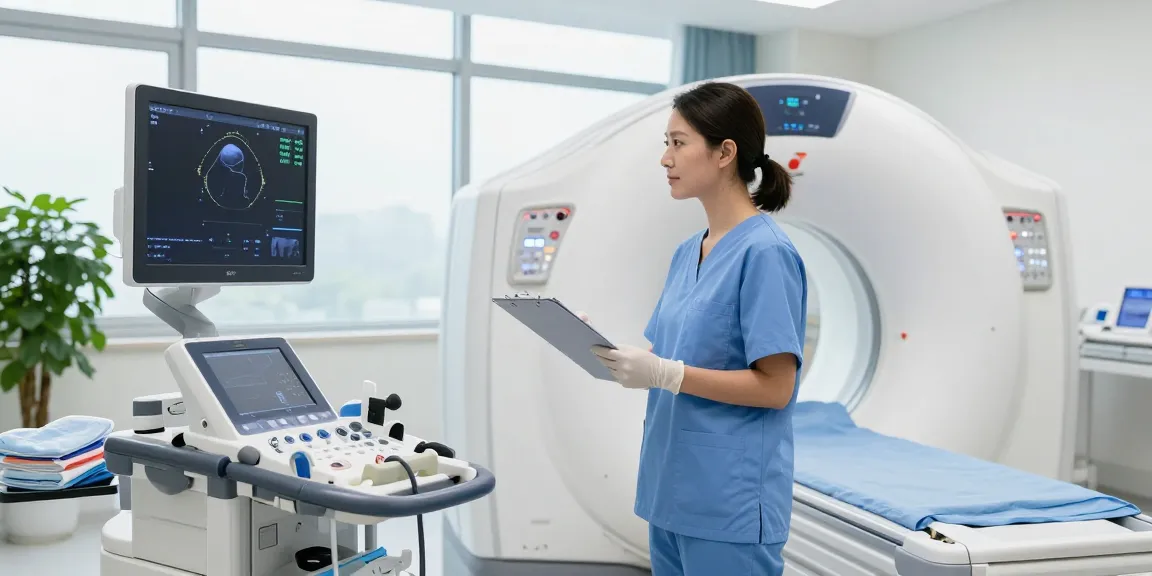
The Importance of Medical Equipment in Modern Healthcare
In today’s healthcare landscape, the significance of Medical Equipment cannot be overstated. These tools are not merely accessories but are integral to patient care, influencing the outcomes of diagnoses, treatments, and overall patient experiences. As technology advances, the functionality and efficiency of medical equipment continue to evolve, making it essential for healthcare providers to stay updated on the latest innovations and best practices. Ensuring that facilities are equipped with the right tools can mean the difference between successful patient outcomes and subpar care.
Understanding Medical Equipment Types and Functions
Medical equipment spans a wide range of devices and tools, each serving unique functions within the healthcare system. Understanding these types can help medical practitioners choose the right tools for their needs:
- Diagnostic Equipment: These are used to diagnose diseases and conditions. Examples include MRI machines, X-ray machines, and blood testing kits.
- Therapeutic Equipment: This category encompasses devices used in treatment, such as infusion pumps and surgical instruments.
- Monitoring Equipment: These tools track patient vital signs and health metrics. Examples include ECG monitors and pulse oximeters.
- Durable Medical Equipment (DME): Equipment like wheelchairs, crutches, and hospital beds that assist patients with mobility and daily activities.
Each type plays a crucial role in patient care, with the right tools enhancing the quality of service provided.
The Role of Medical Equipment in Patient Diagnosis
Accurate diagnosis is pivotal in healthcare, and medical equipment serves as the foundation for effective diagnosis. Devices such as ultrasound machines provide real-time imaging, allowing healthcare professionals to visualize internal structures, assess conditions, and make informed decisions. Each piece of equipment contributes significantly to early detection of illnesses, which is often correlated with better patient outcomes.
Common Myths About Medical Equipment Explained
Despite the clear importance of medical equipment, several myths persist. Here are a few misconceptions clarified:
- Myth 1: All medical equipment is equally reliable. Truth: Reliability varies by manufacturer and model, and regular maintenance is vital.
- Myth 2: High cost equates to superior quality. Truth: While some expensive equipment is high-quality, many affordable options are equally effective.
- Myth 3: Equipment can be used indefinitely without servicing. Truth: Regular servicing is essential to ensure safety and effectiveness.
Dispelling these myths is crucial for healthcare providers when making informed purchasing decisions.
Evaluating the Cost vs. Benefit of Medical Equipment
When investing in medical equipment, healthcare facilities must weigh the costs against the anticipated benefits. Understanding the financial implications can help guide decision-making processes in procurement.
Initial Investment vs. Long-term Savings
Initially, medical equipment can seem prohibitively expensive, but evaluating the long-term savings is essential. For example, investing in a high-quality sterilization machine can prevent infections, leading to lower readmission rates and associated costs. Over time, quality equipment can reduce operational costs and enhance patient satisfaction, proving its worth.
How to Assess Value in Medical Equipment Purchases
Assessing the value of medical equipment requires a comprehensive approach:
- Conduct a cost-benefit analysis, considering both direct and indirect costs.
- Evaluate the equipment’s return on investment (ROI) based on potential improvements in patient care.
- Review user testimonials and case studies to gauge real-world performance.
By focusing on these areas, healthcare providers can make better purchasing decisions that align with their operational goals.
Financial Assistance and Funding Options for Facilities
Many healthcare facilities face budget constraints, so understanding available funding options is crucial. Government programs, grants, and partnerships with equipment manufacturers can provide financial relief. Organizations can also explore leasing options, which allow them to acquire needed tools without hefty upfront costs, making quality medical equipment more accessible.
Trends in Medical Equipment for 2026
The medical equipment landscape is continually evolving, influenced by technological advancements and changing patient needs. Being aware of these trends helps facilities prepare for the future.
Emerging Technologies in Medical Equipment
In 2026, several technologies are set to reshape the way medical equipment is utilized:
- Smart Devices: Integration of IoT (Internet of Things) capabilities allows for real-time data tracking and remote monitoring, enhancing patient care.
- 3D Printing: This technology enables personalized medical devices and prosthetics, tailored precisely to individual patient needs.
- Robotic Surgery: Advances in robotics are making surgical procedures safer and more efficient, improving recovery times and patient outcomes.
Staying updated on these trends ensures that healthcare facilities remain competitive and effective.
Sustainability Practices in the Medical Equipment Industry
As environmental concerns grow, the medical equipment industry is focusing on sustainable practices. This includes reducing waste through recycling programs, utilizing eco-friendly materials, and improving energy efficiency. Embracing sustainability not only benefits the environment but can also enhance a facility’s reputation among patients.
Impact of Telemedicine on Medical Equipment Demand
With the rise of telemedicine, the demand for specific medical equipment is changing. Devices that enable remote monitoring and consultations, such as home testing kits and mobile health applications, are becoming increasingly important. Healthcare facilities must adapt their purchasing strategies to meet these new demands while ensuring they continue to provide in-person care where necessary.
Best Practices for Maintenance and Upkeep of Medical Equipment
Proper maintenance ensure longevity and reliability of medical equipment, which is essential for patient safety and care quality.
Regular Inspections and Compliance Standards
Establishing a routine inspection schedule helps identify issues before they become critical. Compliance with regulatory standards is mandatory, and regular audits can help ensure that facilities meet these requirements. This proactive approach minimizes downtime and keeps operations running smoothly.
Training Staff for Effective Equipment Handling
Effective training of healthcare staff on the proper use and maintenance of medical equipment is vital. Regular training sessions should cover new technologies and reinforce best practices to prevent misuse, which can lead to costly repairs or patient safety risks.
Common Maintenance Mistakes to Avoid
Avoiding common pitfalls can extend the life of medical equipment:
- Skipping Routine Maintenance: Neglect can lead to equipment failure.
- Inadequate Staff Training: Lack of knowledge can result in improper usage and handling.
- Ignoring Manufacturer Guidelines: Operating outside of manufacturer specifications can lead to damage and void warranties.
By addressing these common mistakes, healthcare facilities can maintain high standards of care.
Future Predictions for Medical Equipment Advancements
The future of medical equipment promises exciting advancements that will revolutionize the healthcare industry. Keeping an eye on these developments is crucial for facilities aiming for excellence in patient care.
Innovations Shaping the Next Decade of Healthcare
Innovations expected to shape the future include:
- Wearable Health Technology: Devices that can monitor health metrics continuously will empower patients and improve care.
- Advanced Imaging Techniques: New imaging modalities are emerging, providing clearer insights into patients’ health.
- Artificial Intelligence: AI will play an integral role in diagnostics, predictive analytics, and personalized medicine.
The Role of AI in Medical Equipment Development
AI is becoming a game-changer in medical equipment development, streamlining processes from design to manufacturing. Machine learning algorithms can predict equipment failures and optimize maintenance schedules, ensuring that devices remain operational and effective.
Patient-Centric Design Trends in Medical Equipment
Future medical equipment will increasingly prioritize patient-centric designs. This involves ergonomics, intuitive interfaces, and accessibility, which contribute to a more positive patient experience. Design innovations aimed at comfort and ease of use will not only enhance patient satisfaction but also encourage adherence to medical recommendations.
What are common maintenance practices for medical equipment?
Common maintenance practices include routine cleaning, regular inspections, and adherence to manufacturer guidelines. Facilities should establish a maintenance schedule to avoid lapses in care and ensure that equipment receives timely check-ups.
How can hospitals ensure the longevity of their medical equipment?
To guarantee longevity, hospitals must invest in proper training, conduct frequent inspections, and adhere to a strict maintenance schedule. Additionally, staff should immediately report any signs of malfunction to prevent further damage.
What new technologies should we expect in medical equipment?
New technologies on the horizon include improved telemedicine tools, advanced imaging devices, and AI-powered diagnostics, all aimed at enhancing the efficiency of healthcare delivery.
How does telemedicine affect the demand for medical equipment?
Telemedicine is shifting the focus of medical equipment demand towards devices that support remote monitoring and patient engagement. Equipment that facilitates virtual consultations and patient monitoring will see increased demand as telehealth continues to grow.
What are the most common types of medical equipment used today?
Today’s healthcare settings commonly utilize diagnostic imaging devices, patient monitoring systems, surgical instruments, and rehabilitation equipment, each tailored to meet specific clinical needs and enhance patient care.
